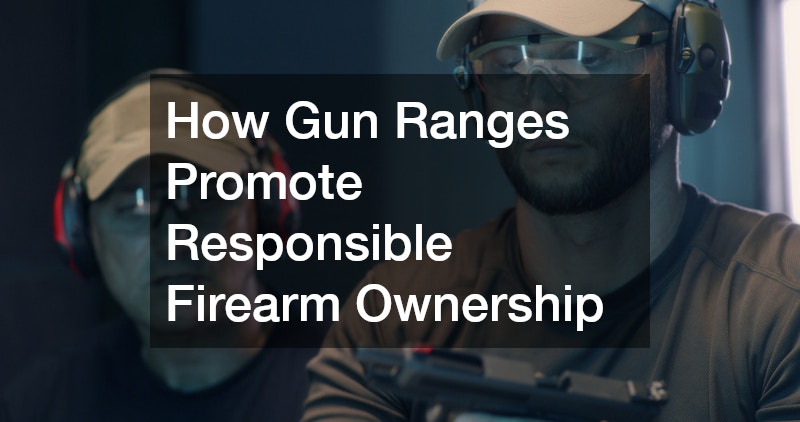
Responsible firearm ownership involves much more than purchasing a firearm. It requires ongoing education, consistent practice, and a commitment to safety that extends beyond the range. Whether someone owns a firearm for recreation, sport shooting, hunting, or personal protection, understanding proper handling techniques is essential for reducing accidents and building confidence.
As more people become interested in recreational shooting, the importance of education has continued to grow. Structured training opportunities help new firearm owners establish good habits from the beginning while giving experienced shooters a place to sharpen their skills.
Through education, supervision, and regular practice, gun ranges contribute to a stronger culture of responsible firearm ownership.
Safety Education Builds Strong Foundations
Safe firearm handling begins with understanding the fundamental principles that every owner should follow. Learning these concepts in a professional environment helps reinforce habits that remain valuable throughout a lifetime of firearm ownership.
Many shooting facilities offer introductory courses designed specifically for beginners. These classes often cover firearm components, loading and unloading procedures, safe storage practices, and proper shooting techniques. Instead of relying on internet videos or informal advice, participants receive instruction from qualified professionals who can answer questions and correct mistakes before they become habits.
Safety education also teaches shooters how to remain aware of their surroundings. Proper muzzle control, trigger discipline, and target identification become second nature through repetition and consistent instruction. These practices significantly reduce the likelihood of accidents while helping participants become more confident with their firearms.
Regular Practice Reinforces Responsible Habits
Owning a firearm without practicing regularly can lead to declining skills and reduced confidence. Like any other activity requiring coordination and precision, firearm proficiency improves through consistent repetition.
Routine practice allows shooters to become familiar with their firearm’s operation, recoil, sight alignment, and trigger control. As these skills improve, handling becomes smoother and more deliberate rather than rushed or uncertain.
Practice sessions also provide opportunities to reinforce safety procedures every time a firearm is handled. Repeatedly following established safety protocols helps transform them into automatic habits. These routines include checking that firearms are unloaded when appropriate, maintaining proper muzzle direction, and ensuring the shooting area remains safe throughout every session.
Many ranges also encourage shooters to work toward measurable improvement instead of simply firing rounds without purpose. Target drills, accuracy exercises, and controlled shooting scenarios promote focus, patience, and discipline. These structured activities reward careful technique rather than speed alone.
Because these facilities prioritize both skill development and safety, gun ranges become valuable resources for individuals who want to maintain proficiency while continuing to practice safe firearm handling.
Professional Supervision Encourages Accountability
One of the greatest advantages of practicing at a professionally operated shooting facility is the presence of trained staff. Range safety officers and instructors help create an environment where everyone understands and follows established safety procedures.
Staff members monitor shooting lanes, observe participant behavior, and address unsafe actions immediately. Their role is not simply enforcing rules but also educating shooters about why each safety measure matters. This guidance helps prevent accidents while creating a respectful atmosphere for everyone using the facility.
Professional supervision is particularly valuable for beginners. New firearm owners often have questions about equipment, stance, loading procedures, or troubleshooting common issues. Having knowledgeable personnel available provides reassurance while helping new shooters develop proper techniques from the start.
Experienced shooters also benefit from outside observation. Even seasoned firearm owners can occasionally develop habits that reduce efficiency or safety. Constructive feedback from qualified instructors allows shooters to make adjustments that improve both performance and consistency.
Community Support Strengthens Responsible Ownership
Responsible firearm ownership is often strengthened through community involvement. Many shooting facilities create welcoming environments where individuals with different experience levels can learn from one another while sharing a common commitment to safety.
Organized events, recreational leagues, educational seminars, and shooting competitions encourage participants to continue developing their skills in structured settings. These activities emphasize sportsmanship, respect, and personal improvement rather than competition alone.
Mentorship also plays an important role. Experienced shooters frequently help introduce newcomers to the sport by demonstrating proper etiquette, explaining range procedures, and offering practical advice. This supportive atmosphere makes learning more comfortable while encouraging safe habits from the beginning.
Community involvement also exposes firearm owners to a variety of perspectives and experiences. Discussions about equipment selection, maintenance practices, and training opportunities help participants make informed decisions while expanding their knowledge.
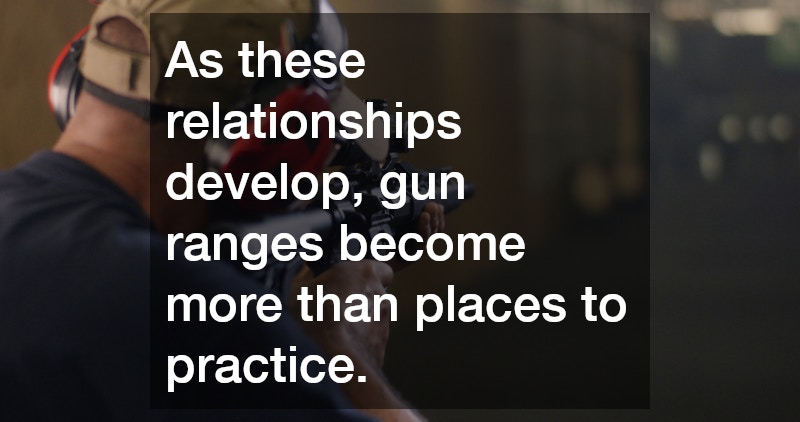
As these relationships develop, gun ranges become more than places to practice. They serve as community spaces where education, mentorship, and responsible behavior continue to reinforce positive firearm ownership habits.
Responsible firearm ownership depends on education, consistent practice, and a willingness to prioritize safety at every stage of the ownership experience. While purchasing a firearm is a significant decision, maintaining the knowledge and skills necessary to use it responsibly requires ongoing commitment.
Professionally managed shooting facilities provide valuable opportunities for learning, supervised practice, and continued skill development. Through structured instruction, regular training, professional oversight, and supportive communities, firearm owners gain confidence while strengthening the habits that help prevent accidents and promote responsible behavior.
Whether someone is completely new to firearms or has years of shooting experience, continued education remains one of the most effective ways to improve both safety and proficiency. By participating in structured practice and embracing lifelong learning, firearm owners contribute to a culture built on responsibility, respect, and accountability that benefits both individual shooters and the broader community.