Creative trends can influence far more than what is currently popular in fashion or home décor. They can shape how people personalize their surroundings, express their preferences, organize everyday spaces, and make practical improvements that support the way they live. The most useful trends are not necessarily the most dramatic. Often, they are ideas that introduce texture, color, individuality, or functionality while remaining adaptable as personal tastes change.
Personal style and interior design can also overlap in interesting ways. Clothing, accessories, furnishings, wall treatments, lighting, outdoor features, and customized details can all contribute to a cohesive aesthetic. At the same time, everyday living requires practical considerations such as maintenance, safety, education, financial preparation, and property upkeep.
Rather than adopting every emerging idea, consider which trends genuinely complement your lifestyle. Thoughtful choices can create spaces and routines that feel distinctive without becoming difficult to maintain or unnecessarily complicated.
Create Visual Interest With Unexpected Textures
Texture can transform a room without requiring a complete redesign. A surface with dimension can create a focal point, add warmth, or introduce a more distinctive character to an otherwise simple space. Metallic cork wallpaper, for example, can combine a tactile surface with reflective details, making it an option for people who want a decorative feature that feels different from conventional painted walls.
The key is to treat a textured wall as part of the room’s overall composition. Consider how existing furniture, flooring, artwork, and lighting will interact with the new surface. A dramatic treatment may work best on one wall rather than throughout an entire room.
Before committing to a particular finish, consider:
- The amount of natural and artificial light in the room
- Whether the pattern complements existing furnishings
- How easily the surface can be maintained
- Whether the design will work with future décor changes
- How much visual emphasis you want the wall to create
Texture can also be introduced through rugs, upholstery, curtains, wood, stone, and decorative objects. Combining several subtle textures may create depth without making the room feel visually crowded.
Refresh Outdoor and Public-Facing Spaces Thoughtfully
Exterior surfaces can have a major effect on how a property looks and feels. Keeping walls, fences, walkways, and other visible features clean can help preserve an intentional appearance, particularly in areas that experience frequent foot traffic. Graffiti removal products can be useful when unwanted markings appear, but the appropriate approach depends on the surface and the type of marking involved.
Removing graffiti is not simply a matter of applying the strongest available cleaner. Aggressive products or improper techniques can damage paint, masonry, metal, wood, or other materials. Testing a suitable method on an inconspicuous area can help identify potential problems before treating a larger surface.
When addressing unwanted markings, consider:
- The material and finish of the affected surface
- The type of paint, ink, or marking involved
- Whether the surface has existing coatings
- The manufacturer’s application instructions
- Whether professional assistance is appropriate
Exterior maintenance can also become part of a broader design strategy. Clean surfaces provide a better backdrop for landscaping, lighting, signage, outdoor furniture, and architectural details, allowing creative improvements to stand out more effectively.
Keep High-Use Areas Clean Without Sacrificing Style
Kitchens increasingly serve as more than places to prepare meals. They can function as gathering spaces, work areas, entertainment zones, and extensions of a home’s overall design. Because these spaces experience frequent use, combining attractive finishes with practical maintenance is particularly important.
Ventilation systems can accumulate grease and other residues over time, especially when cooking occurs regularly. Hood vent cleaning services can address maintenance needs that may be difficult to handle through ordinary surface cleaning alone. Keeping ventilation equipment maintained can also help a kitchen remain cleaner and more pleasant to use.
A practical kitchen maintenance routine can include:
- Wiping visible surfaces regularly
- Cleaning filters according to manufacturer recommendations
- Checking ventilation components periodically
- Addressing grease buildup before it becomes extensive
- Including less-visible areas in seasonal cleaning routines
Design choices should account for maintenance from the beginning. Easy-to-clean surfaces, accessible storage, durable materials, and effective lighting can all make a stylish kitchen more functional. The best-looking space is often one that can realistically be kept clean and organized as part of everyday life.
Update Home Features With Safety and Design in Mind
Small electrical details can have a surprisingly large influence on how a room functions. Lighting placement, outlet locations, switches, fixtures, and charging areas can affect both convenience and the visual organization of a space. When planning electrical changes, design goals should be considered alongside the technical requirements of the work.
Working with local certified electricians can be useful when a project involves new circuits, significant rewiring, fixture installation, or other work that requires specialized knowledge. A professional can assess the existing system and discuss practical ways to accommodate planned improvements.
Before making electrical changes, think about:
- Where additional lighting would improve functionality
- Whether outlets are positioned conveniently
- How frequently different areas are used
- Where electronics and charging devices are located
- Whether planned changes require professional electrical work
Lighting can also be used as a design feature. Layered lighting, for example, can combine general illumination with task and accent lighting. Thoughtful placement can highlight artwork, architectural details, work surfaces, or seating areas while making the room easier to use. Planning these elements together can produce a more cohesive result.
Make Long-Term Plans Part of a Well-Designed Lifestyle
Personal style often focuses on the present, but a well-rounded lifestyle also requires attention to future needs. Organizing important information and making decisions ahead of time can reduce confusion when circumstances change. Estate planning is one example of a broader approach to preparing for the future and documenting important personal and financial decisions.
The process can involve considering assets, beneficiaries, important documents, and personal wishes. Because individual circumstances differ, people may benefit from discussing their situation with an appropriate professional rather than relying on generic online information.
When reviewing long-term plans, consider:
- Whether important documents are organized and accessible
- Whether designated beneficiaries are current
- Whether major changes in assets or family circumstances have occurred
- Who needs to know where important information is located
- Whether existing plans still reflect current wishes
Long-term planning should not be treated as a one-time task. Major life events, changes in finances, family circumstances, or other priorities may create reasons to review existing arrangements. Keeping information organized can make future decisions more manageable while providing greater clarity about personal priorities.
Choose Educational Environments That Reflect Family Priorities
Lifestyle decisions can extend into the environments where children learn, socialize, and develop their interests. Families may evaluate different educational options based on academic goals, extracurricular opportunities, schedules, location, teaching approaches, and the overall environment. A private school may be one option families consider when comparing educational settings.
Rather than focusing on general assumptions about any particular type of school, families can evaluate individual institutions based on their own priorities. Visiting a campus and asking detailed questions can provide information that may not be apparent from a website or brochure.
Useful areas to investigate include:
- Curriculum and academic offerings
- Class sizes and student support
- Arts, athletics, and extracurricular activities
- Transportation and daily scheduling
- Tuition, fees, and other costs
- School policies and communication practices
The right educational environment can look different from one family to another. Children may also have different learning preferences, interests, and support needs. Taking time to identify those factors before comparing schools can make the research process more focused and help families evaluate options according to their actual circumstances.
Use Jewelry to Make Personal Style More Individual
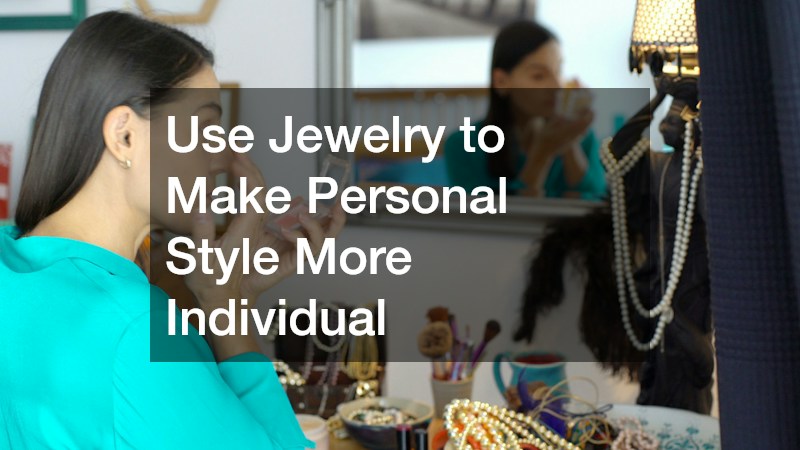
Accessories can change the character of an outfit without requiring an entirely new wardrobe. Jewelry can introduce color, shine, texture, or personal meaning, making it one of the simplest ways to experiment with style. Local jewelers can also provide an opportunity to explore pieces with more individualized characteristics than mass-produced accessories.
When building a jewelry collection, consider versatility rather than buying every piece that happens to be trending. A few well-chosen items can work across casual outfits, professional clothing, special occasions, and seasonal looks.
Consider these approaches when refining a collection:
- Combine different lengths when layering necklaces
- Mix understated pieces with one distinctive accessory
- Consider metals and finishes that complement your wardrobe
- Choose pieces that can transition between occasions
- Look for designs with personal or sentimental meaning
Jewelry can also be updated through repairs, resizing, cleaning, or customization rather than constant replacement. Developing a recognizable approach to accessories can make personal style feel more intentional while allowing room for experimentation.
Transform Large Spaces With Intentional Color Choices
Color can dramatically influence the atmosphere of a space. A carefully selected palette can make rooms feel connected, highlight architectural features, or create distinct zones within a larger property. In commercial or expansive environments, professional planning can also help produce a consistent appearance across multiple areas.
Commercial painters can assist with projects where scale, surface preparation, finish selection, and consistent application require specialized experience. Even when a project is primarily aesthetic, preparation and material selection can influence how the finished result looks over time.
Before selecting colors, consider:
- The amount and direction of natural light
- Existing flooring, furniture, and architectural features
- The purpose and traffic level of each area
- Whether multiple spaces need a coordinated palette
- The desired finish and maintenance requirements
Color samples should be evaluated under the actual lighting conditions of the space. A shade can appear different throughout the day as natural light changes. Testing several options before committing to a large project can make it easier to identify a palette that complements the architecture and supports the intended atmosphere.
Personalize Events and Spaces With Custom Visuals
Personalized printed materials can add character to everything from celebrations and gatherings to home offices and creative projects. Digital printing makes it possible to produce customized visual elements without relying exclusively on standardized designs. The flexibility can be particularly useful when a project requires specific colors, images, wording, or dimensions.
The most effective customized materials usually have a clear purpose. Instead of adding printed elements simply because they are available, consider how each piece contributes to the overall setting or experience.
Ideas for incorporating customized materials include:
- Artwork for home offices or living spaces
- Invitations and event materials
- Personalized signs and labels
- Custom stationery
- Decorative prints for seasonal updates
- Information cards for gatherings or displays
Design consistency can make individual pieces feel more cohesive. Repeating a color palette, typography style, or visual motif across several materials can create a recognizable look. At the same time, leaving some areas visually simple prevents customized elements from competing with one another and keeps the finished space from feeling overly busy.
Use Natural Materials to Create Grounded Outdoor Designs

Outdoor spaces can benefit from materials that add texture while serving practical purposes. Paths, borders, seating areas, garden features, and drainage-related elements can all contribute to a landscape’s overall appearance. A crushed stone service may be relevant when planning projects that require properly selected and placed aggregate materials.
The appearance of an outdoor material should not be the only consideration. How the area will be used, how water moves across the property, and how much maintenance the finished space requires can all influence the best approach.
When planning an outdoor improvement, consider:
- The intended purpose of the area
- Material size, texture, and color
- Drainage and water movement
- Compatibility with existing landscaping
- Accessibility and walking surfaces
- Long-term maintenance requirements
Natural materials can also help connect different parts of a property visually. Coordinating stone, plants, pathways, fencing, furniture, and lighting can create a more unified outdoor environment. Planning the complete space before purchasing materials can reduce mismatched elements and help make the finished landscape feel intentional.
Creative trends can inspire, but the most useful ideas are those that work with the way people actually live. Personal style can be expressed through clothing, accessories, colors, textures, and customized details, while interior and outdoor improvements can make everyday environments more distinctive and functional.
The strongest design choices also account for practical responsibilities. Cleaning, electrical maintenance, property upkeep, education, and long-term planning may not always be considered part of personal style, yet each can influence how comfortable and manageable everyday life becomes.
Rather than attempting to follow every emerging trend, focus on changes that genuinely suit your preferences and circumstances. A textured wall, refreshed color palette, personalized accessory, customized print, or thoughtfully planned outdoor feature can make a meaningful difference when selected with purpose. Combining creativity with functionality allows personal style to evolve while keeping everyday living practical, organized, and enjoyable.