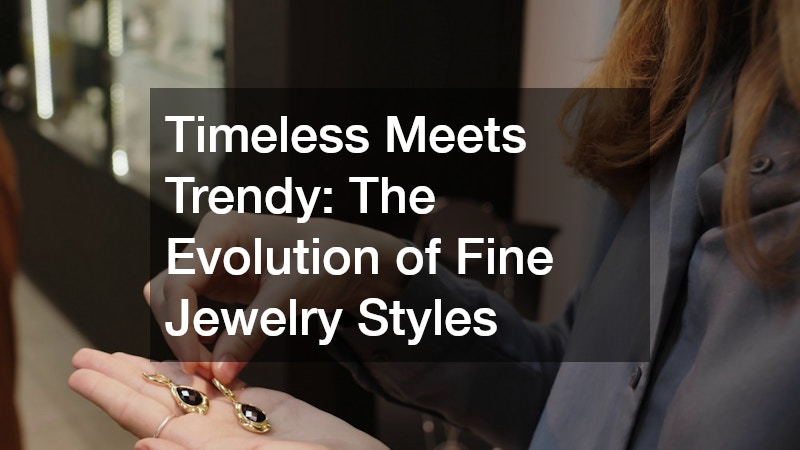
Discover how the world of fine jewelry has transformed over time, seamlessly integrating timeless elegance with modern trends. This exploration dives into the core elements and audience curiosity surrounding fine jewelry’s evolution.
What are the classic elements that define fine jewelry styles?
Precious metals such as gold and silver have been the cornerstone of fine jewelry for centuries, providing both durability and a refined aesthetic that continues to captivate enthusiasts worldwide. Alongside these metals, gemstones like diamonds and pearls have long been celebrated for their brilliance and luster, symbolizing luxury and sophistication.
The allure of these materials lies in their natural beauty and scarcity, setting the standard for prestigious ornaments that adorn royal and everyday wardrobes alike. Over time, artisans have developed techniques to enhance these elements, ensuring that each piece of jewelry tells a story of craftsmanship and opulence.
As tastes evolved, so have the designs and uses of these precious materials, yet their foundational role remains unshaken. Today, designers continue to explore new ways to incorporate these classic elements while addressing ethical sourcing and sustainability challenges.
Tracing the history of jewelry, we encounter significant movements such as Art Deco, characterized by bold geometric shapes, and Edwardian, noted for its intricate filigree and lace-like patterns. These designs not only reflect the artistic innovation of their eras but also resonate with contemporary audiences seeking timeless elegance.
Many iconic pieces from these periods are sought after for their historical significance and the meticulous craftsmanship that defined their creation. Modern jewelry designers often draw inspiration from such historical trends, reviving vintage styles in new collections.
Through a blend of historical reverence and modern adaptation, these classic designs have maintained their appeal, ensuring that they remain an integral part of the jewelry industry. This narrative of preservation and innovation highlights the enduring allure of fine jewelry across generations.
How have cultural influences shaped modern jewelry trends?
With globalization, fine jewelry has embraced a broader spectrum of cultural influences, incorporating elements from various traditions such as Indian filigree, African beadwork, and Japanese minimalism. This amalgamation creates jewelry pieces that are as diverse as their origins, capturing a global essence.
Such cultural infusions bring fresh perspectives to design, challenging traditional boundaries and fostering creative collaboration across borders. These inspirations are not merely ornamental but serve as bridges between cultures, expressing shared humanity through art.
Consumers increasingly seek jewelry that reflects their personal identity and heritage, prompting designers to create bold, eclectic collections that celebrate cultural uniqueness. The result is an industry that thrives on both global inspiration and individual expression.
In recent years, pop culture and celebrity endorsements have significantly influenced jewelry trends, with high-profile figures often setting new fashion standards. Celebrities adorned in designer jewels at red carpet events serve as style icons, sparking widespread demand for similar pieces.
The impact of celebrities is further amplified by social media platforms, where millions of followers get real-time glimpses into the latest fashion trends. This newfound accessibility fuels rapid shifts in consumer preferences, driving designers to adapt swiftly.
While the glare of celebrity influence is powerful, it also underlines the importance of individuality in style choices. Modern consumers are increasingly discerning, seeking pieces that balance trend-driven designs with personal significance and cultural relevance.
What role does technology play in the evolution of jewelry design?
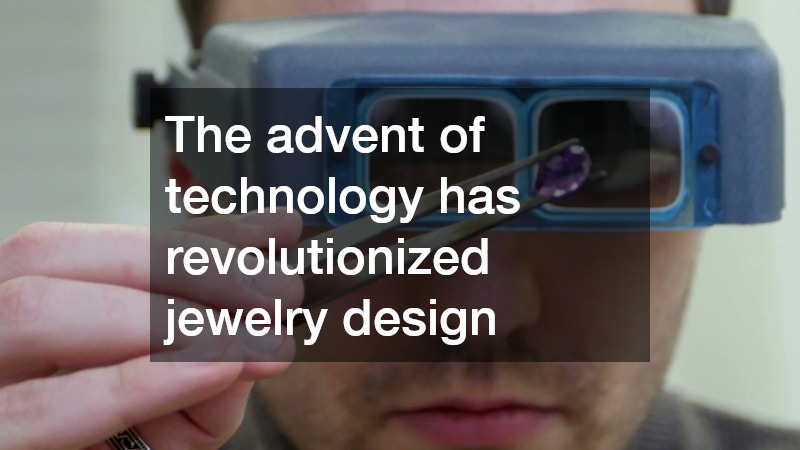
The advent of technology has revolutionized jewelry design, introducing techniques such as 3D printing that allow for unparalleled precision and creativity. This innovation enables designers to experiment with complex shapes and intricate details that were once impossible to achieve by hand.
Moreover, technological advancements have streamlined the production process, reducing costs and enhancing quality, making fine jewelry more accessible to a broader audience. This democratization of design powerfully expands the market while fostering a new wave of ingenuity.
As technology continues to advance, it opens up exciting possibilities for the future of jewelry design, blending traditional craftsmanship with cutting-edge innovation. This synergy ensures that the industry remains dynamic and forward-thinking.
With growing awareness of sustainability, technology plays a crucial role in fostering ethical practices within the jewelry industry. Innovations in sourcing materials, such as the creation of lab-grown diamonds, offer eco-friendly alternatives to traditional mining.
In addition, advanced technology aids in tracing the origins of gemstones and metals, allowing consumers to make informed purchasing decisions that align with their ethical values. This traceability encourages transparency and accountability throughout the supply chain.
The integration of sustainable practices, supported by technological advances, promotes environmental responsibility and ethical consumption, reshaping the industry’s future. As societal values evolve, the commitment to ethical and sustainable jewelry becomes ever more integral.
As the jewelry industry continues to evolve, it harmonizes the timeless elegance of classic styles with the innovation and trends of modern fashion. This dynamic relationship ensures that fine jewelry remains a cherished and evolving art form for generations to come.