Precious metals can represent far more than unused objects stored in a drawer, jewelry box, or safe. Depending on their purity, condition, craftsmanship, rarity, and current market demand, they may carry significant financial value. However, receiving a fair return requires more than simply bringing an item to the nearest buyer and accepting the first offer.
The value of a precious metal item is usually determined through several overlapping factors. Its metal content establishes a baseline, while design quality, brand recognition, age, provenance, gemstones, and collectible appeal may increase its worth. A piece that appears ordinary could have historical or artistic significance, while an elaborate item may be valued primarily for its raw materials.
Market timing also matters. Gold, silver, platinum, and palladium prices change based on economic conditions, industrial demand, investor activity, currency movements, and global uncertainty. A thoughtful selling strategy should therefore combine accurate identification, current market research, careful preparation, and comparisons among qualified professionals.
By understanding how buyers assess valuables, owners can avoid preventable losses and make better decisions about when, where, and how to sell.
Identify Exactly What You Own Before Making Decisions

The first step is to examine every item carefully. Separate pieces by metal type, likely purity, condition, and intended use. Look for markings in discreet areas, such as the inside of a ring, the clasp of a necklace, or the back of a pendant. Common gold markings include 10K, 14K, 18K, 22K, and 24K. Silver may be marked 925, sterling, or 999.
These markings provide useful clues, but they do not always guarantee authenticity. Clasps can be replaced, pieces can contain mixed metals, and older items may have faint or unfamiliar hallmarks. Professional testing may be needed to verify the composition without causing damage.
Do not assume that all gold jewelry should be evaluated only for melt value. Signed pieces, vintage designs, limited-production collections, and items from recognized makers may be worth more when sold intact. The quality of the craftsmanship, the desirability of the style, and the condition of the piece can all affect what a knowledgeable buyer is willing to pay.
Gemstones should also be evaluated separately from the metal. Diamond rings may have value based on the stone’s cut, color, clarity, and carat weight, as well as the quality of the setting. A certified stone can be easier to assess, but the absence of paperwork does not mean it lacks value.
Gather any original receipts, grading reports, boxes, certificates, warranties, or previous appraisals. Documentation can support claims about authenticity, age, brand, or gemstone quality. Even photographs showing family ownership or historical context may be helpful for unusual or inherited pieces.
Create an inventory before seeking offers. Record each item’s weight if possible, visible markings, condition, known history, and accompanying documents. This organization makes it easier to compare evaluations and prevents valuable items from being overlooked.
Track Market Conditions Before Choosing a Selling Date
Precious metal prices are commonly quoted using the spot price, which represents the current market value for a standard unit of raw metal. Spot prices change throughout the trading day and provide a useful starting point for understanding an item’s potential metal value.
However, a seller should not expect to receive the full spot price. Buyers must account for refining costs, testing, labor, business expenses, and the possibility that an item contains less pure metal than its total weight suggests. The actual offer will generally reflect the recoverable metal content after these considerations.
Before visiting a gold buyer, check the current price of gold and compare it with prices from the previous several weeks or months. This does not require predicting the market perfectly. The goal is to recognize whether prices are unusually high, low, or relatively stable and to understand the general environment in which offers are being made.
Silver follows similar principles, though its market can behave differently because of extensive industrial use. Manufacturing, electronics, renewable energy systems, medical equipment, and investment demand can all influence pricing. A reputable silver dealer should be able to explain how purity, weight, form, and current market conditions affect an offer.
Economic uncertainty can increase demand for precious metals, but prices can also fall quickly when investor expectations change. Interest rates, inflation expectations, currency strength, and geopolitical developments may all affect short-term movements.
Owners who do not need immediate funds may choose to monitor prices before selling. Those with urgent financial needs should still research the market so they can recognize a reasonable offer. Waiting for the absolute highest price is rarely practical because market peaks are clear only after they have passed.
It is also important to distinguish between bullion, scrap metal, and collectible items. Bullion is often valued closely in relation to metal content, while collectible pieces may respond more strongly to buyer demand, rarity, and condition than to daily spot-price changes.
Prepare Each Item Without Causing Accidental Damage
Presentation can influence how easily an evaluator identifies an item, but aggressive cleaning can reduce value. Strong chemicals, polishing wheels, abrasive cloths, and improvised cleaning methods may scratch metal, weaken settings, remove patina, or damage gemstones.
Use only gentle methods unless a professional has recommended otherwise. A soft, dry cloth may be enough to remove surface dust and fingerprints. Avoid soaking pieces with glued stones, delicate finishes, pearls, opals, turquoise, or unknown materials.
People preparing to sell gold jewelry should focus more on organization than on making every piece look new. Place items in separate bags or compartments, especially when chains could tangle or stones could scratch nearby surfaces. Group pieces by likely metal type and purity, but do not discard items that appear broken or incomplete.
Broken chains, single earrings, bent rings, damaged bracelets, dental gold, and mismatched pieces may still have substantial metal value. Small fragments can add up, particularly when they contain higher-purity material.
Take clear photographs of each item before leaving it with anyone for inspection. Record distinctive markings, scratches, stones, and other identifying details. This creates a basic condition record and can be especially useful when several pieces are evaluated together.
Avoid repairing an item solely to increase its selling price unless a knowledgeable professional recommends the work. Repair costs may exceed the additional value created, and alterations can reduce the appeal of antiques or collectible designs. Original condition is often more desirable than a poorly executed restoration.
Remove personal information from boxes, receipts, or documents before sharing them. Keep copies of important certificates and appraisals rather than surrendering the only originals during an initial evaluation.
Compare Offers Using the Same Information
Accepting the first offer is one of the most common ways sellers receive less than their items may be worth. Even honest businesses can reach different conclusions because they serve different markets, use different resale channels, and specialize in different types of property.
Seek evaluations from several jewelry buyers when practical. Provide each business with the same items and documentation so the comparisons are meaningful. Ask whether the offer is based on metal content, resale potential, brand, gemstones, or a combination of factors.
A strong evaluation process should be understandable. The buyer should explain the item’s tested purity, weight, applicable market price, deductions, and final calculation. When several pieces are involved, request an itemized offer rather than one unexplained total.
Pay close attention to how weight is measured. Precious metals may be calculated in grams, pennyweights, or troy ounces. A troy ounce is different from the standard household ounce, so sellers should understand which unit is being used. Digital scales should be visible, properly calibrated, and appropriate for commercial transactions.
Ask whether stones are included in the offered weight and whether they are being purchased separately. If the buyer is interested only in the metal, find out whether valuable stones can be removed safely and returned. Do not assume every buyer has the expertise or market access needed to recognize gemstone value.
Compare more than the dollar amount. Consider whether the business provides written terms, explains its testing methods, answers questions respectfully, and allows time for a decision. A slightly higher offer may not be worthwhile if the transaction involves unclear fees or pressure.
Be cautious of advertisements that promise unusually high percentages without explaining the conditions. The most useful comparison is the net amount actually paid after all testing, commissions, refining charges, and other deductions.
Choose Professionals Who Explain Their Process Clearly
Credentials and experience matter because precious metal items can have several types of value at once. A trained jeweler may recognize craftsmanship, maker’s marks, stone quality, repair needs, and resale potential that a general scrap buyer could miss.
When selecting a professional, ask how long the person has worked with the type of item being evaluated. Experience with modern retail pieces does not necessarily indicate expertise in antique jewelry, rare coins, luxury watches, or estate collections.
A local jewelry store may be a useful starting point for wearable pieces, particularly when the store buys estate jewelry, provides appraisals, or has relationships with specialized buyers. Local businesses may also be easier to research through community references, professional associations, and public reviews.
Ask whether testing will be performed in front of you and whether any method could alter the item. Common approaches include electronic testing, acid testing, density testing, magnet checks, visual inspection, and X-ray fluorescence analysis. Different methods have different strengths, so more than one may be used.
Look for transparent policies. A reputable professional should identify whether an evaluation is free, whether an appraisal carries a fee, how long an offer remains valid, and whether payment is immediate. Written purchase records should accurately describe the items and transaction.
Warning signs include refusing to explain calculations, rushing the seller, moving items out of sight without permission, discouraging comparisons, or changing the offer after paperwork begins. Sellers should feel comfortable leaving with their property if they need more time.
Trust should be based on evidence rather than friendliness alone. Clear procedures, relevant expertise, documented terms, and consistent communication are stronger indicators of professionalism.
Know When a Formal Appraisal Adds Value
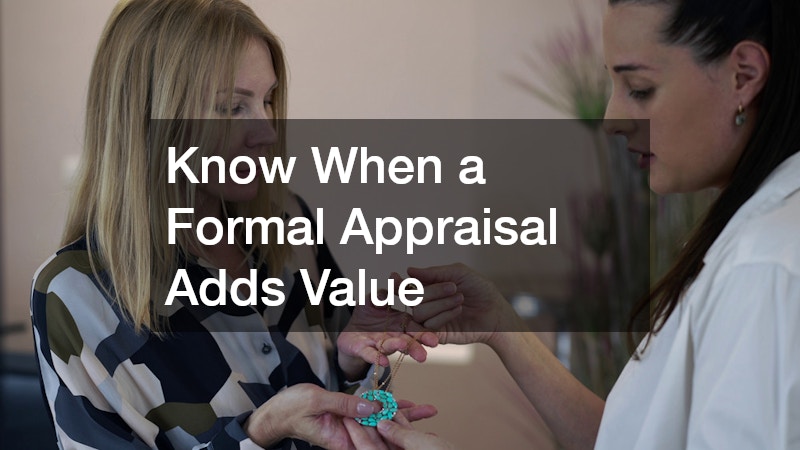
An appraisal and a purchase offer serve different purposes. A purchase offer represents what someone is willing to pay at a specific time. An appraisal estimates value for a stated purpose, such as insurance coverage, estate planning, charitable donation, equitable distribution, or tax documentation.
Hiring an antique appraiser can be worthwhile when an item may have historical, artistic, or collectible significance beyond its material content. This is particularly important for inherited collections, signed pieces, unusual hallmarks, period designs, decorative objects, and items with documented provenance.
Before ordering an appraisal, clarify the type of value needed. Insurance replacement value may be significantly higher than fair market value because it estimates what it could cost to replace the item through an appropriate retail market. Fair market value considers what a willing buyer and seller might agree upon under normal conditions.
Ask how the appraiser charges. Fees should generally be based on time, complexity, or a fixed amount rather than a percentage of the appraised value. Percentage-based fees may create a conflict of interest by rewarding higher conclusions.
Provide all available documentation, but allow the appraiser to reach an independent opinion. The final report should describe the item, explain the valuation method, state the intended use, identify relevant market data, and include the appraiser’s qualifications.
Not every item requires a formal appraisal. Low-value scrap pieces may cost more to appraise than the service would add. An initial consultation can help determine whether deeper research is justified.
Protect Collectibles From Being Sold for Melt Value
Coins require special attention because their collectible value can greatly exceed the worth of their metal. Age alone does not make a coin rare, but date, mint mark, production quantity, condition, errors, historical importance, and market demand can all influence value.
Before approaching coin dealers, avoid cleaning, polishing, or attempting to restore coins. Cleaning can alter the surface, create scratches, remove original toning, and sharply reduce collector interest. Even a coin that looks dull or dirty may be more valuable in its untouched state.
Handle coins by their edges and store them in appropriate holders. Avoid flexible plastic materials that may contain chemicals capable of damaging metal over time. Keep coins in a stable environment away from humidity, temperature extremes, and contaminants.
Create a list of dates, denominations, mint marks, and visible features. Do not rely solely on online asking prices, which may not reflect actual sales. Completed auction results, recognized price guides, third-party grading information, and specialist evaluations provide more useful context.
Certification may be appropriate for a coin that appears rare or valuable, but grading fees, shipping, and insurance should be considered. Professional grading can authenticate a coin and establish an accepted condition level, making it easier to sell in specialized markets.
Bullion coins should also be identified correctly. Some are valued primarily for metal content, while limited issues, proof versions, special finishes, and low-mintage releases may carry additional premiums.
A general metal buyer may make a fair offer for bullion but overlook numismatic value. Specialized expertise is therefore essential before any collectible coin is sold or melted.
Turning Careful Preparation Into a Stronger Outcome

Maximizing the value of precious metals requires patience, organization, and a willingness to compare options. Owners should begin by identifying what they have, gathering documentation, and distinguishing raw material value from artistic, historical, gemstone, or collectible worth.
Current market prices provide helpful context, but they are only one part of the valuation process. Condition, rarity, craftsmanship, demand, resale potential, and the experience of the evaluator may all affect the final result.
The safest approach is to prepare items carefully, avoid unnecessary cleaning or repairs, obtain clear explanations, and compare itemized offers. Specialized valuables should be reviewed by professionals who understand their particular market rather than being grouped automatically with ordinary scrap.
A thoughtful strategy also considers personal goals, timing, transaction costs, recordkeeping, and the possibility that some assets are better retained. By approaching the process with reliable information and realistic expectations, owners can make confident decisions while protecting the financial potential of their valuables.